2741 W 4th Ave, Vancouver, BC V6K 1P9
+1 604-559-1666
info@karmaindianbistro.ca
Open daily from 12:00 PM
Indian sweets are a delicious celebration of rich flavours, aromatic spices, and traditional recipes. From syrupy gulab jamun and soft rasgulla to creamy rasmalai and fragrant jalebi, each sweet offers a perfect balance of sweetness and texture.
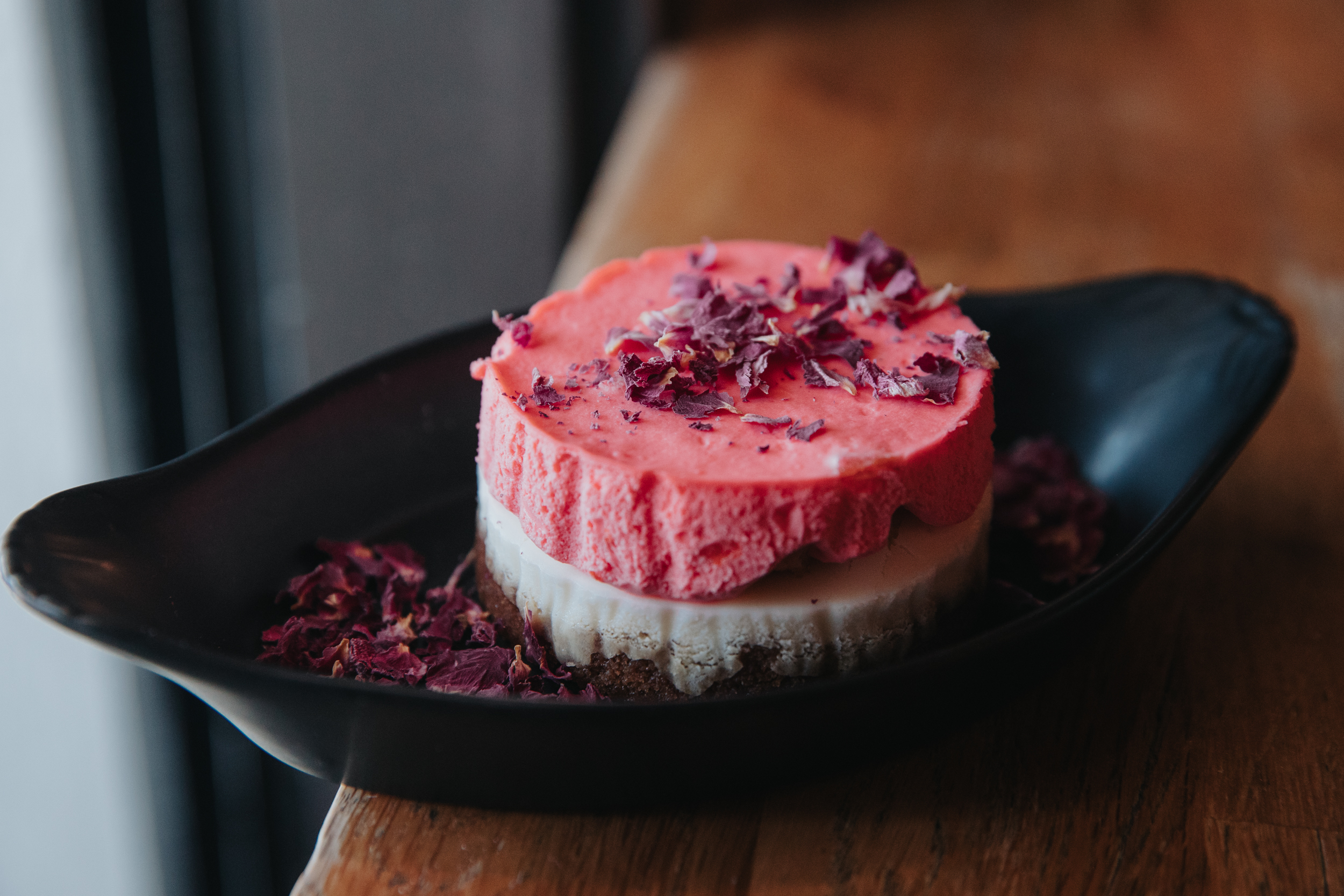
You order for a table, not for a plate. That one shift explains most of the menu.
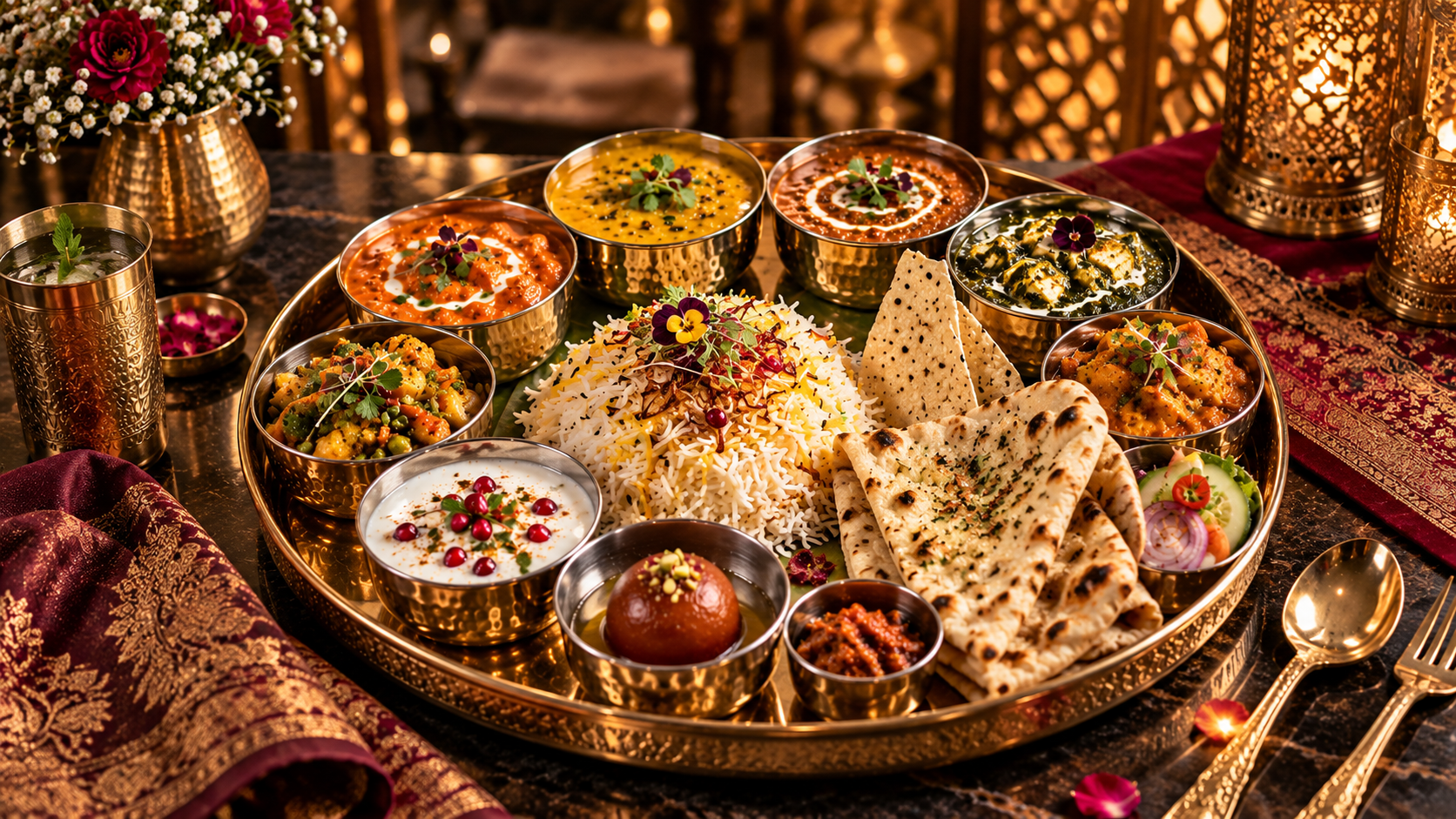
For two people: one shared starter, two curries, one rice, one bread. Pick curries that are different from each other rather than two creamy ones. Order at medium unless you know you want more. That is about $30 to $35 each, and it is a complete meal - you do not need a dish per person, and ordering that way is the commonest first-timer mistake.
Dessert is often the part of an Indian meal that gets skipped entirely, partly because the names are unfamiliar and partly because a table that's already worked through several curries and a couple of breads is reasonably full by the time the dessert menu comes around. That's a shame, because Indian desserts are genuinely distinct from anything on a Western dessert menu - built around different textures, different sweetening methods, and often served differently too. Here's what the common ones actually are.
Western dessert tends to lean on butter, refined flour, and baking as the core techniques - cakes, pastries, pies. Indian desserts draw from a different toolkit almost entirely: milk reduced slowly over heat until it thickens and concentrates (khoya), sugar syrup as a soaking or coating medium rather than a baked-in sweetener, and frying or slow-simmering rather than oven-baking as the primary cooking method. The result is a category of desserts that's often denser, more intensely sweet in a concentrated way rather than a light, airy way, and built around dairy and syrup rather than butter and flour.
This is also why several Indian desserts are served warm, or at room temperature, rather than cold - a habit that can surprise diners used to dessert automatically meaning something chilled.
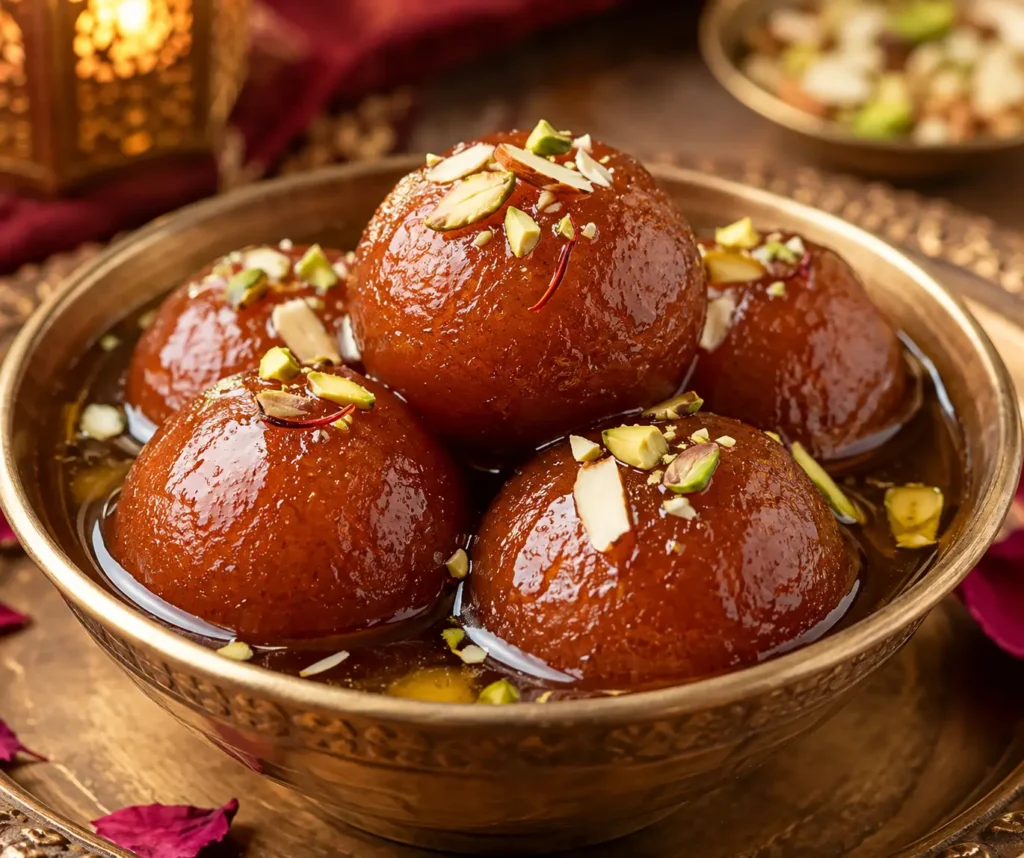
Gulab jamun is small, deep - fried dumplings made from a milk-solid dough (traditionally khoya, reduced milk solids, sometimes supplemented with milk powder in modern versions), fried until deeply golden brown, then soaked in a warm, fragrant sugar syrup-typically flavoured with cardamom and rosewater. The name itself gives a clue to the flavour: "gulab" means rose, referring to the rosewater commonly used in the syrup.
The frying step gives the dumplings a slightly firm, faintly caramelised exterior, while the syrup soak that follows saturates the inside, making the texture soft, spongy, and syrup-soaked throughout rather than crisp. Gulab jamun is traditionally served warm, which matters more than it might sound - served cold, the syrup firms up and the texture loses some of the soft, almost molten quality that makes it work; warm, the dessert stays soft and the syrup flows rather than sets.
Kulfi is frequently described as "Indian ice cream" on menus, which gets the general idea across but misses what actually separates it from Western ice cream. Kulfi is made by slowly simmering and reducing milk until it thickens and concentrates - the same basic technique behind khoya - rather than churning a cream-and-sugar base with air incorporated throughout the way ice cream is made. That difference in method produces a genuinely different result: kulfi is denser, richer, and doesn't have the light, airy texture that churning gives regular ice cream, since it's frozen without that same air incorporation.
Traditional kulfi is often set in a conical mould rather than scooped, and flavoured with pistachio, cardamom, mango, or saffron - flavours that lean into the dessert's Indian roots rather than the vanilla - and - chocolate default of most Western ice cream. Because it's denser and doesn't contain the air that keeps regular ice cream soft when frozen, kulfi is often noticeably firmer straight out of the freezer and benefits from sitting for a few minutes before eating.
Kheer is a rice pudding made by slowly simmering rice in milk, sweetened and flavoured with cardamom, saffron, and often garnished with chopped nuts (pistachio, almond, cashew) and raisins. The slow simmer thickens the milk and softens the rice until the two become one cohesive, creamy dish, rather than rice and milk staying as distinct components the way a Western rice pudding sometimes does. Kheer can be served warm or chilled, and it's one of the gentler, more approachable desserts for a diner who wants something sweet but not as intensely syrup-soaked as gulab jamun.
Other milk-based sweets follow similar logic - reduced, concentrated milk as the base, formed or set into different shapes, and finished with nuts, cardamom, or saffron. This family of desserts, broadly built around reduced milk solids, represents a large share of traditional Indian sweets, distinct from the fried-and-syrup-soaked family that gulab jamun belongs to.
If you've worked through a substantial meal already and dessert is more of a "small sweet finish" than a real course, kheer or a small portion of kulfi tend to be the gentler options - both are rich but not as intensely sweet or heavy as gulab jamun can feel on a full stomach.
If dessert is more of an event in its own right - you've planned for it, or you're ordering specifically to try something new - gulab jamun delivers the most concentrated, indulgent version of what Indian dessert can be, and is worth ordering with the expectation that it's meant to be a rich, syrup-soaked finish rather than a light one.
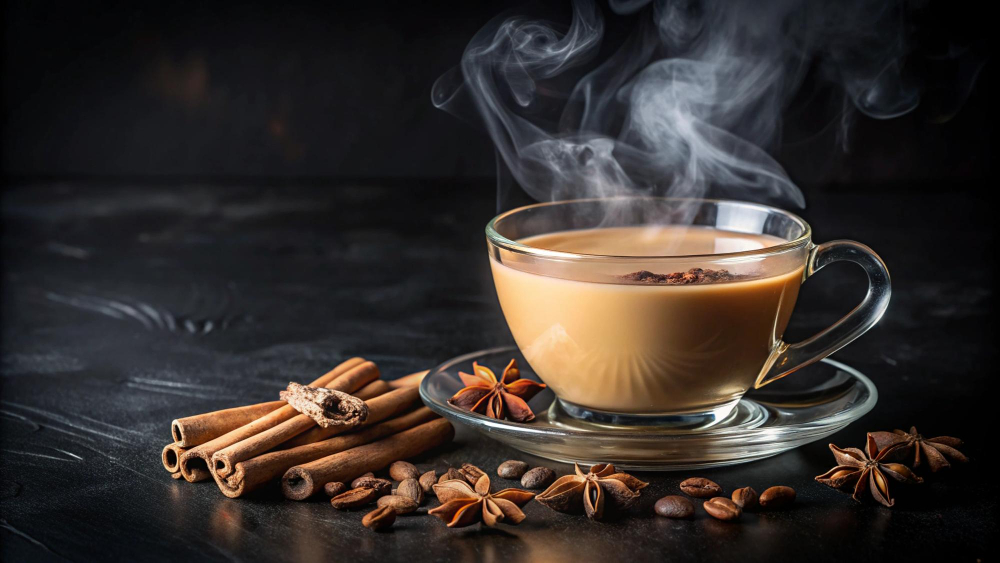
Sharing a dessert or two across a table, the same way curries are shared, tends to work better than everyone ordering their own - a small taste of something this rich and sweet is often enough, and it lets a table sample more than one dessert across a shared plate. If you're deciding what to drink alongside dessert, a warm chai pairs particularly well with most of these - we go into more detail on drink pairings generally in our guide to what to drink with Indian food.
Our dessert menu covers the range described above - gulab jamun made fresh, kulfi, and kheer, giving a table the option to go rich and syrup-forward or lighter and creamier depending on how the rest of the meal went. If you're planning a first visit and want to know how dessert fits into ordering for the table generally, our guide to what to order your first time covers the full arc of a meal, dessert included. The current lineup is always on our food menu.
What is gulab jamun made of?
Gulab jamun is deep-fried dumplings made from reduced milk solids (khoya), soaked in a warm sugar syrup flavoured with cardamom and rosewater. It's traditionally served warm.
Is kulfi the same as ice cream?
Not quite. Both are frozen and dairy-based, but kulfi is made by slowly reducing milk rather than churning a cream base with air incorporated, which makes it denser and richer than regular ice cream.