2741 W 4th Ave, Vancouver, BC V6K 1P9
+1 604-559-1666
info@karmaindianbistro.ca
Open daily from 12:00 PM
Basmati is a specific long-grain rice variety, primarily grown in the foothill regions of northern India and Pakistan, and the name itself translates roughly to "fragrant" in Hindi — a reference to the rice's distinctive aroma, which comes from a naturally occurring aromatic compound present at meaningfully higher levels in basmati than in most other rice varieties
You order for a table, not for a plate. That one shift explains most of the menu.
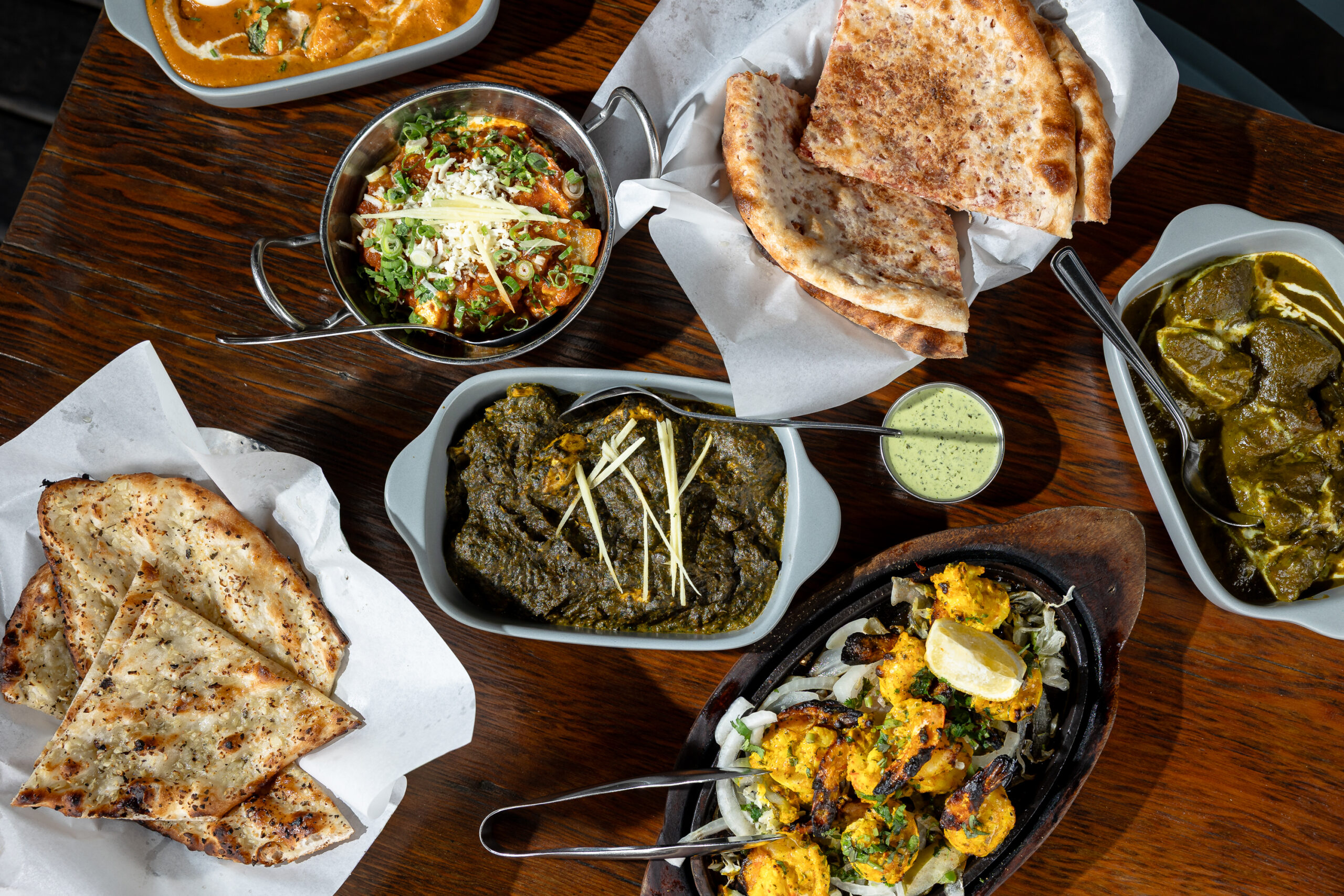
For two people: one shared starter, two curries, one rice, one bread. Pick curries that are different from each other rather than two creamy ones. Order at medium unless you know you want more. That is about $30 to $35 each, and it is a complete meal - you do not need a dish per person, and ordering that way is the commonest first-timer mistake.
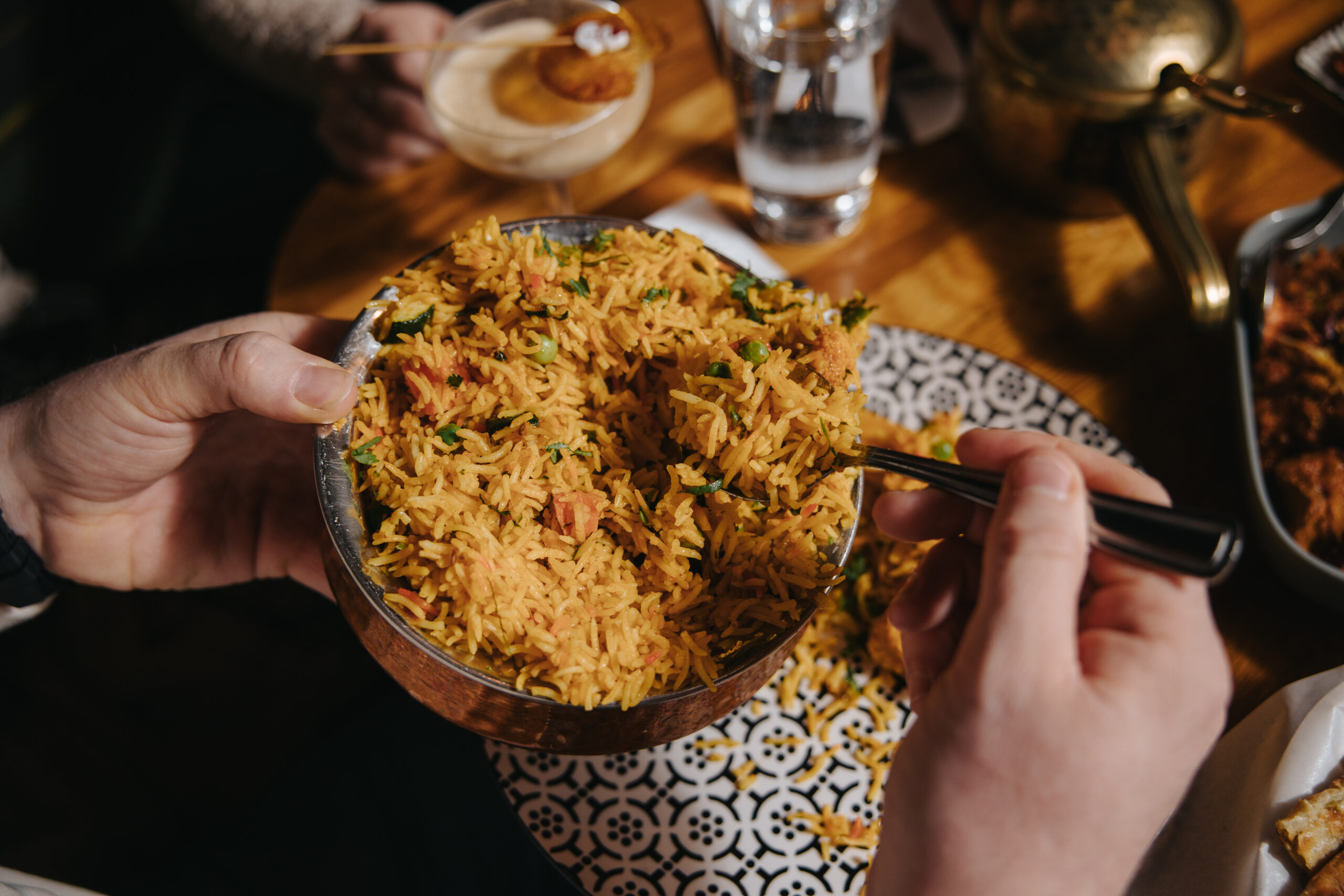
Rice shows up throughout an Indian meal without most diners giving it a second thought — the neutral base under a curry, the foundation of a biryani, the go-to swap when naan isn't an option. It's rarely the star of the plate, which is exactly why it's worth understanding: basmati rice is a specific variety, chosen deliberately rather than interchangeably with any other long-grain rice, and the reasons behind that choice actually show up in how the finished dish behaves.
Basmati is a specific long-grain rice variety, primarily grown in the foothill regions of northern India and Pakistan, and the name itself translates roughly to "fragrant" in Hindi — a reference to the rice's distinctive aroma, which comes from a naturally occurring aromatic compound present at meaningfully higher levels in basmati than in most other rice varieties.A genuinely important detail that separates good basmati from an ordinary version is aging. Basmati rice is often aged for a year or more after harvest before it's sold, a process that reduces the moisture content of the grain and allows it to firm up. Aged basmati cooks up drier, fluffier, and with more distinct, separate grains than unaged basmati, which tends to be softer, stickier, and more prone to clumping. This is part of why basmati quality varies noticeably between brands and price points — aging takes time and storage, and it's a real cost that shows up in the final texture of the cooked rice.
Basmati is often grouped loosely with other "fragrant long-grain rice" varieties, most commonly jasmine rice, but the two are genuinely different in ways that matter for cooking.
Jasmine rice, most associated with Thai and broader Southeast Asian cooking, is also aromatic and long-grain, but it's naturally softer and slightly stickier when cooked than basmati, with a subtly sweeter aroma. That stickiness is actually a feature in the cuisines jasmine rice is traditionally used in, where a bit of cling helps the rice hold together for eating with chopsticks or scooping by hand.
Basmati, by contrast, is specifically prized for staying dry and separate rather than sticky — the individual grains are meant to stay distinct from each other after cooking, not cling together into a cohesive mass. This isn't a matter of one rice being better than the other; they're simply built, culturally and through cultivation, for different roles.
Short-grain rice (like the varieties used in sushi or risotto) is a different category entirely — shorter, starchier, and deliberately sticky, built for dishes where the rice needs to hold together or create a creamy texture. It shares almost nothing texturally with basmati beyond both being rice.
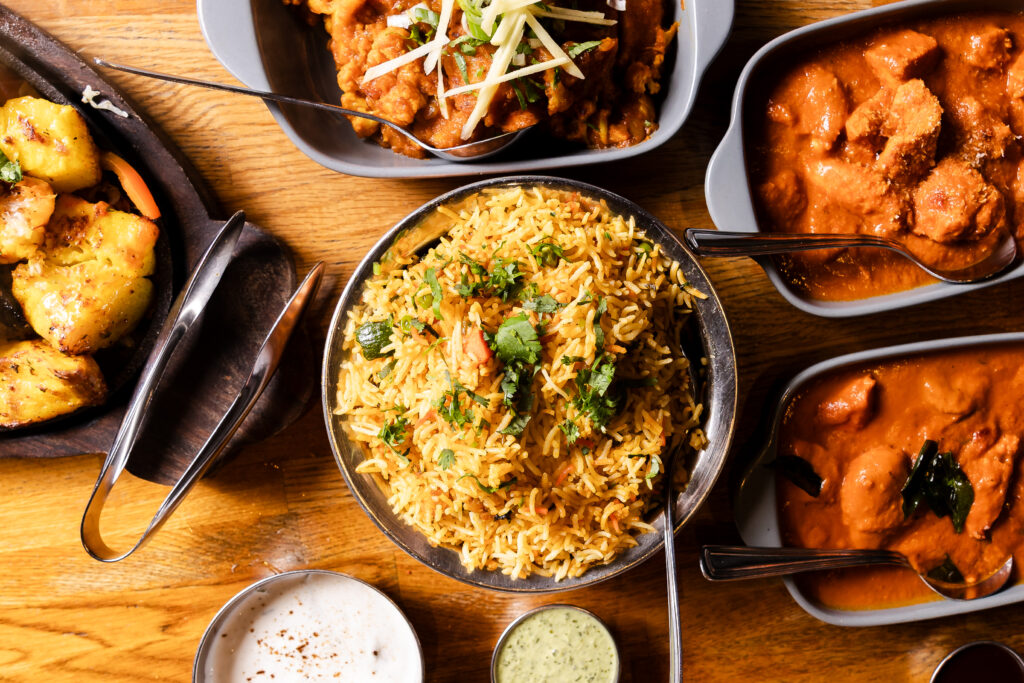
Basmati's dry, separate-grain texture isn't just a stylistic preference — it does real functional work with the dishes it's typically served alongside. With a curry, dry, distinct grains soak up sauce without turning to mush, so each spoonful of rice-and-curry keeps some textural contrast rather than becoming one uniform, soggy mixture. A stickier rice would absorb liquid differently and lose that separation much faster.
For biryani specifically, as covered in more detail in our guide to biryani, the dum cooking method depends on rice grains that stay distinct through the layering and steaming process — a stickier rice would clump together during that slow, sealed cooking, losing the visiblelayering and grain-by-grain character that a well-made biryani is judged on. Basmati's naturally low stickiness is part of what makes the technique work as intended.
Not all rice served alongside an Indian meal is plain steamed basmati. Jeera rice — rice tempered with whole cumin seeds (jeera) fried briefly in ghee or oil before the rice is added and cooked — is a common, simple preparation that adds a warm, slightly nutty aromatic layer without turning the rice into a full pulao or biryani. It's a good middle ground between plain rice and something more elaborate, still functioning as a neutral base for a curry while carrying a bit more character of its own. Other simple preparations follow similar logic — a few whole spices bloomed in fat before the rice cooks, rather than a full separate dish, giving the rice more presence without competing with whatever it's served alongside.
A few practical steps make a real difference in getting basmati to behave the way it's meant to, whether at home or in a restaurant kitchen: rinsing the rice thoroughly before cooking removes excess surface starch, which is one of the main causes of clumping if skipped. Soaking the rice for 20 to 30 minutes before cooking, if time allows, helps the grains cook more evenly and reduces breakage. And using the right water-to-rice ratio, along with resisting the urge to stir the rice too much while it cooks, keeps the grains intact and separate rather than breaking down into starchy clumps.
None of this is complicated, but it's also easy to get slightly wrong, which is part of why restaurant basmati and home-cooked basmati can taste noticeably different even when starting from the same bag of rice.
We use aged basmati across the menu — as the neutral base for curries, in our jeera rice, and layered through our biryani using the dum method described in our biryani guide. For anyone avoiding gluten, plain basmati rice is also one of the most reliable swaps on the menu in place of naan or roti, as covered in our guide to gluten-free Indian food. The current rice options alongside the rest of the menu are here.
What makes basmati rice different from regular long-grain rice?
Basmati is a specific aromatic variety, often aged for a year or more before sale, which produces long, dry, separate grains after cooking rather than sticky ones. Its natural aroma and low stickiness are what set it apart from other long-grain rice varieties.
Is basmati the same as jasmine rice?
No. Both are aromatic long-grain rices, but jasmine rice is naturally softer and slightly stickier when cooked, while basmati is prized for staying dry and separate. They're used differently across their respective cuisines for that reason.