2741 W 4th Ave, Vancouver, BC V6K 1P9
+1 604-559-1666
info@karmaindianbistro.ca
Open daily from 12:00 PM
Of ninety-seven dishes on our menu, the Guide gave one the most space - and it wasn't the butter chicken. Here is what Madras actually means, what goes into ours, and why an inspector eating anonymously would land on that dish.
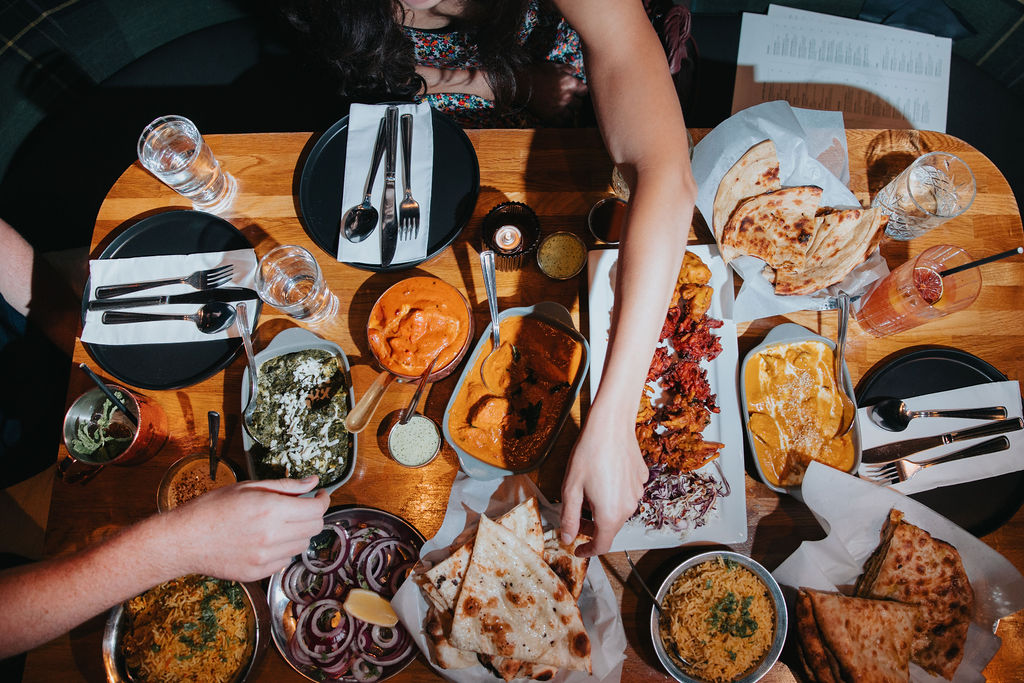
Roasted coconut and black mustard, not tomato and cream. A different half of the country.
Chicken Madras is a South Indian curry built on dry-roasted coconut, black mustard seed and curry leaf - no tomato, no cream, no dairy at all. It is $21, gluten-free and dairy-free, and it is the dish the MICHELIN Guide's inspectors gave the most space to in their write-up of Karma. It is also the dish our head chef is known for. The reason it gets picked is that it is much harder to fake than a butter chicken.
The MICHELIN Guide's entry for Karma runs to a short paragraph - inspectors do not write long. Of everything on the menu, they name four things: the Chicken Madras, coconut rice to go with it, jumbo prawns in a pureed spinach curry, and dessert. The Madras gets the longest look, described as a fragrant South Indian speciality, with the coconut rice recommended alongside to catch the sauce.
Wood planks, plush banquettes and rustic lighting set a sophisticated tone.
- MICHELIN Guide inspectors, on the Karma dining room
That is the only line worth quoting directly; the rest is better paraphrased than reproduced. What matters is the choice. An inspector eating anonymously, paying their own bill, could have written up any of ninety-seven dishes. They wrote up a coconut curry from Tamil Nadu.
Madras is the old name for Chennai, the capital of Tamil Nadu on India's south-east coast; the city was renamed in 1996 but the culinary shorthand stuck. Cooking from that part of the country runs on things that barely appear in the north: coconut in every form, curry leaf, tamarind for sourness, black mustard seed, and rice rather than wheat as the thing you eat it with.
Somewhere along the way, "madras" became a British curry-house term for a hot tomato-based curry sitting one rung above a rogan josh on a spice ladder - a heat setting rather than a place. That version is a real thing and plenty of people grew up loving it, but it is not what this is. If you order a Madras here expecting a fierce tomato gravy, you will get something quite different: aromatic, coconut-led, and sour rather than sweet.
In Britain, madras became a heat setting. In Chennai, it was never about heat at all.
Three things define the dish, and each of them is a step a kitchen can skip.
Not coconut milk poured from a tin. The coconut is dry-roasted first, which turns it nutty and darkens the whole curry, then ground into the masala so it thickens the sauce from the inside rather than sitting on top of it. It is the single biggest difference between a Madras that tastes of somewhere and one that tastes of a jar.
[CHEF - is the coconut dry-roasted in house, and how often? Daily, or in batches?]
Black mustard seeds go into hot oil and pop before anything else joins them - the technique South Indian cooks call tadka. It takes seconds and it cannot be rushed or skipped; seeds that do not pop stay bitter. What it produces is a pungency that goes up the nose rather than sitting on the tongue, which is a completely different sensation from chilli heat and is why a Madras can taste sharp without being fierce.
Curry leaf is a specific leaf from a specific tree and tastes of nothing else - it is not a bay leaf and it is not "curry powder". Tamarind brings the sourness that a northern curry would get from tomato or yogurt. Between them they do the work that cream does in a butter chicken: they give the sauce somewhere to go.
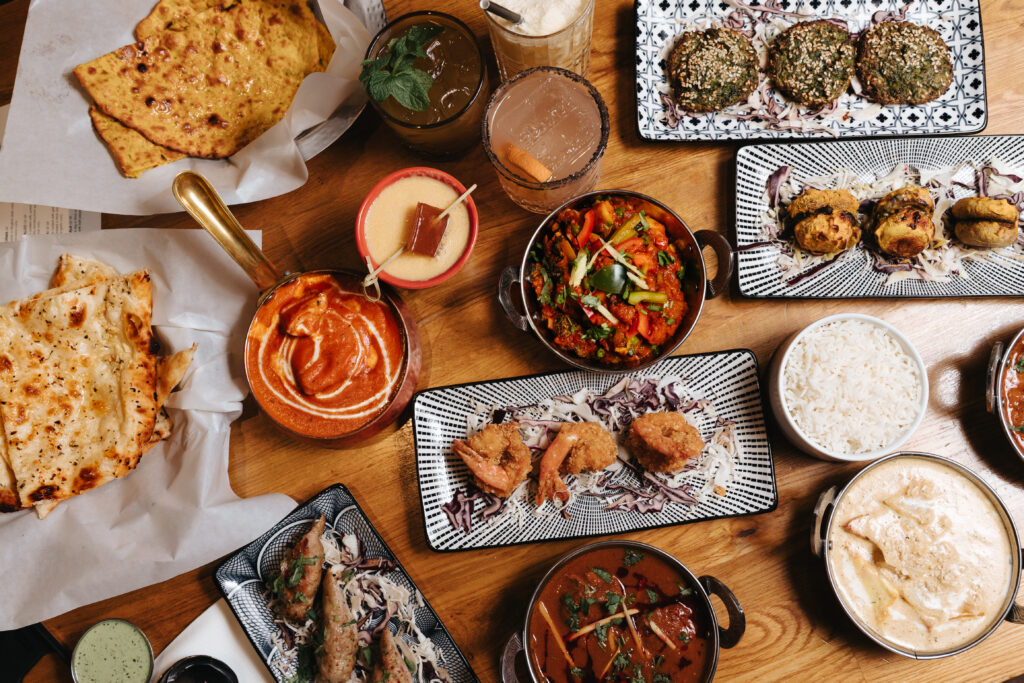
Some, from dried red chilli in the masala. But a good deal of what you read as heat in this dish is the mustard and the pepper, which behave differently - sharper, drier, gone faster.
We wrote about the three different sources of heat here.
[CHEF - which chillies go into the Madras?]
Michelin's inspectors assess the same five things everywhere in the world: the quality of the ingredients, the mastery of technique, the harmony of flavours, the personality of the chef in the cooking, and consistency across repeat visits. Three of those five point straight at a dish like this one.
Almost every Indian restaurant in a Western city leans north - butter chicken, tikka masala, korma - because that is what sells. A kitchen that also cooks Tamil food properly is telling you something about its range. That is the "personality of the chef" criterion, and it is why the dish an inspector singles out is so often not the bestseller.
A butter chicken can be carried by cream and butter; the fat covers a multitude of shortcuts. A Madras has nowhere to hide. There is no dairy in it at all - if the coconut is not roasted properly, if the mustard is under-tempered, if the tamarind is out of balance, you taste it immediately. Technique shows.
Inspectors visit more than once and they do not announce themselves. A dish with this many variables - roasting, grinding, tempering, balancing sour against heat - is a genuine test of whether a kitchen can repeat itself on a Tuesday and again on a full Saturday. Cooking every curry to order rather than portioning it from one morning batch is harder, and this is the dish where that choice is most visible.
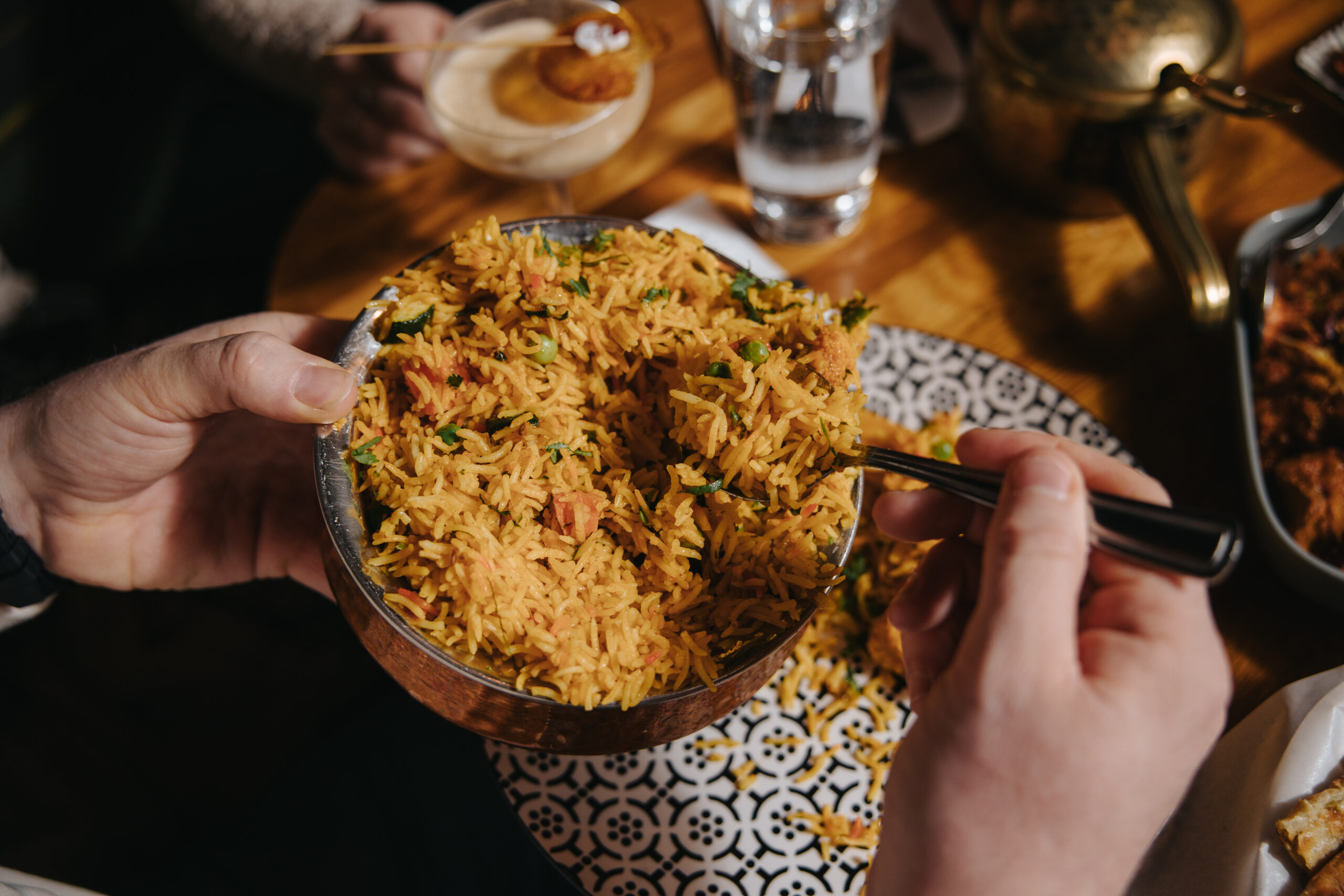
The Guide's own recommendation, and it is the right one. Coconut rice is $7 - basmati cooked with mustard seeds and coconut milk, so it echoes the curry rather than just soaking it up.
Plain basmati at $5 is a neutral vehicle; it will not fight the dish, but it will not answer it either. Coconut rice carries the same two ingredients as the curry's base, so the two things sound like each other. If you are eating gluten-free, rice is your route anyway - the naan is not.
Medium. This dish already has its own character before any chilli goes in, and medium lets you taste the roasted coconut and the mustard rather than fighting through them. If you want heat, go up - but go up from medium, having tasted it once as it is meant to be.
Order it mild and say so out loud. Mild is not a lesser version of this dish - South Indian coconut curries are built to be aromatic rather than fierce, so a mild Madras is closer to the original than a mild vindaloo would be.
Chicken Madras
The one they gave the most space to. Gluten-free and dairy-free.
$21
Coconut Rice
Recommended alongside the Madras, to catch the sauce.
$7
Jumbo prawns in spinach curry
Off the printed menu -
Ask
Saffron Rice Pudding
Their suggested finish. Gluten-free and dairy-free, made with coconut.
$8
Mango Ice Cream
The other dessert they mention.
$8
Worth noticing: three of the five are dairy-free and two are gluten-free as well. The dishes the Guide chose are not the rich ones.
More on the Bib Gourmand and what it means →
Is chicken madras very spicy?
Not inherently. It reads as warm to hot because of the black mustard and pepper rather than a large amount of chilli, and like everything here it is cooked to order at mild, medium, hot or Indian hot. Medium is where we would start you.
Is your chicken madras gluten-free?
Yes - it is marked gluten-free and dairy-free on the menu. Order it with rice rather than naan, which is not. Our kitchen is shared, so tell your server if you have coeliac disease and we will talk it through.
What is the difference between madras and vindaloo?
Madras is South Indian, built on roasted coconut, mustard seed and tamarind. Vindaloo is Goan and built on vinegar, paprika and chilli - the heat is structural rather than a setting. Vindaloo is the hotter of the two by design; madras is the more aromatic.
Can I get it with lamb or prawns instead?
Lamb Madras is on the menu at $23, cooked the same way. For prawns, ask -the Guide's prawn dish is off the printed menu but the kitchen will prepare it on request.
Does it contain nuts or dairy?
No dairy - it is marked dairy-free, which is unusual for a curry this rich-tasting. On nuts, always tell your server before ordering: several curries on our menu are cashew-based and the kitchen is shared.
Do I need to book to try it?
No - it is on the regular menu at the regular price, cooked when you order it. Walk-ins are welcome, though weekend evenings and the patio fill up. Book a table if you are set on a time.
Chicken Madras is $21, gluten-free and dairy-free, cooked to order on four spice levels at 2741 West 4th Avenue in Kitsilano. Order the coconut rice with it - the inspectors were right about that.