2741 W 4th Ave, Vancouver, BC V6K 1P9
+1 604-559-1666
info@karmaindianbistro.ca
Open daily from 12:00 PM
"Chai tea" is one of the more common small mistranslations to make it into everyday English - "chai" is simply the word for tea in Hindi and several other languages, borrowed from the same root as the Chinese word "cha," so "chai tea" literally translates to "tea tea." That's not really an error worth correcting anyone over in casual conversation, but it does point to a genuine gap in most people's understanding of what the drink actually is, versus what a coffee shop tends to sell under that name.
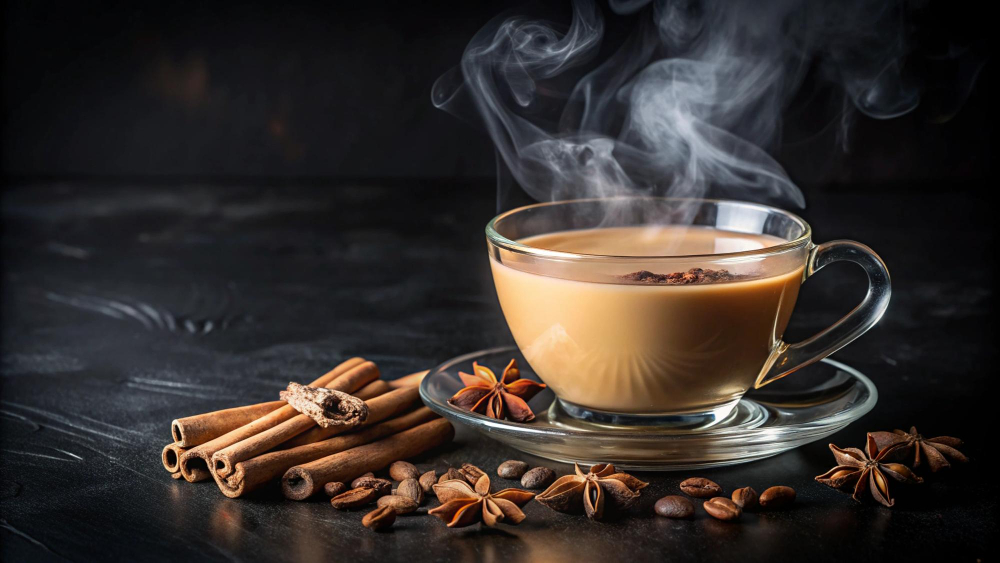
chai is brewed the traditional way - simmered rather than mixed from a syrup
This is worth knowing mostly because it explains why "chai tea latte" - a fairly standard item on coffee shop menus - sounds redundant once you know what "chai" already means, and also why the actual drink most people picture when they hear the word is more specifically masala chai, not tea in the broader, more generic sense.
In India, "chai" simply means tea in the general sense - someone asking for chai is asking for tea, full stop, the same way someone in English might just say "tea." What most people outside India mean when they say "chai" specifically is masala chai - tea brewed with milk and a blend of warming spices, which is such a common, everyday preparation in India that "chai" and "masala chai" have become functionally interchangeable in casual use, even though the word "chai" on its own doesn't technically specify the spiced version.
This is worth knowing mostly because it explains why "chai tea latte" - a fairly standard item on coffee shop menus -sounds redundant once you know what "chai" already means, and also why the actual drink most people picture when they hear the word is more specifically masala chai, not tea in the broader, more generic sense.
Masala chai is built from four core components: black tea (commonly a strong variety like Assam), milk, sugar or another sweetener, and a spice blend. The spice blend typically draws from the same general family covered in our guide to Indian spices - cardamom is usually the dominant note, often alongside ginger, cinnamon, clove, and sometimes black pepper or fennel, though the exact blend varies by region the same way garam masala does.
The specific combination of spices is genuinely personal and regional rather than fixed - some versions lean heavily on ginger for a sharper, spicier character, others lean into cardamom and cinnamon for something warmer and sweeter. There's no single "correct" masala chai blend, which is part of why chai made in different households, or at different restaurants, can taste meaningfully different from each other while still being recognisably the same drink.
The brewing method is what genuinely separates masala chai from simply adding spices to a cup of brewed tea. Traditional masala chai is made by simmering the tea leaves, spices, milk, and water together in a pot, rather than steeping tea in hot water and adding milk afterward the way most Western tea preparation works. This simmering process, often for several minutes, extracts more flavour from both the tea and the spices than a quick steep would, and allows the milk to properly integrate with the tea rather than simply diluting it after the fact.
This is a meaningfully different process from dissolving a spiced syrup or concentrate into steamed milk, which is closer to how a lot of commercial chai lattes are actually made. The simmered, from-scratch version has a rounder, more integrated flavour - the spices, tea, and milk have genuinely cooked together rather than being combined at the last step.
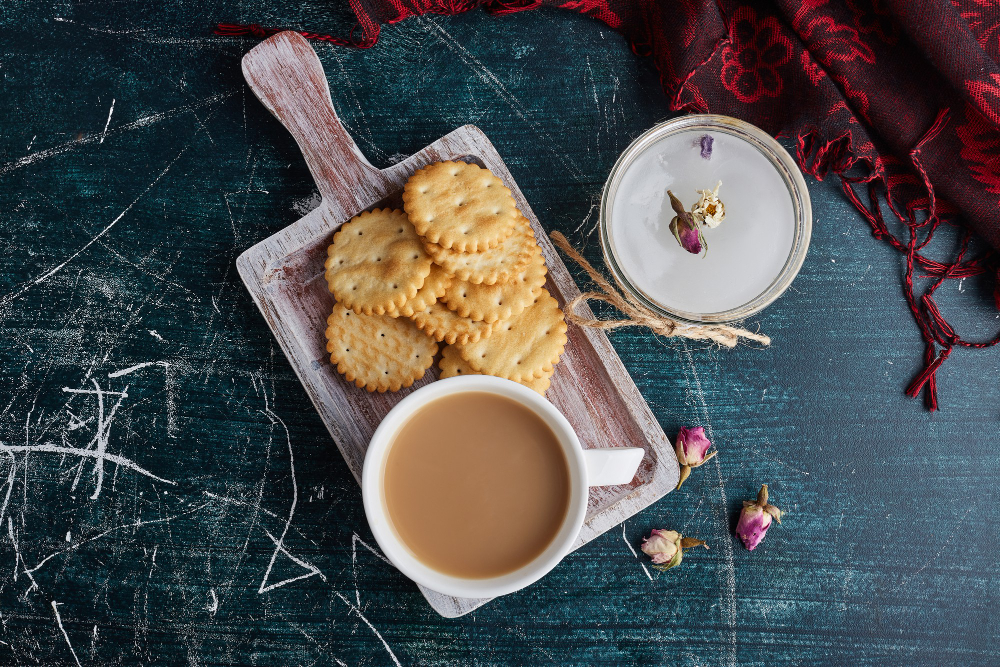
A chai latte, as commonly sold at coffee chains, is typically made from a pre-made concentrate or syrup - often quite sweet, sometimes leaning more on cinnamon than the cardamom-forward profile of a traditional masala chai - mixed with steamed milk in an espresso-machine-style preparation, closer in method to how a latte is made than how chai is traditionally brewed.
That's not a criticism of the chai latte as its own drink - it's simply a genuinely different preparation with a different flavour profile, often sweeter and less spice-complex than a properly simmered masala chai, and worth knowing as a distinct thing rather than assuming the two are interchangeable versions of the same drink. If you've only ever had a chai latte from a coffee chain and never a properly brewed masala chai, the difference is often more noticeable than people expect.
Chai is genuinely an all-day drink in a way coffee sometimes isn't treated as in North America -it's common as a morning drink, a mid-afternoon break, and an after-dinner drink, thanks to the warming rather than purely caffeinating quality most people associate with it. As an after-dinner drink specifically, it pairs particularly well with the milk-based desserts covered in our guide to Indian desserts - the warm spice notes in chai complement the cardamom and saffron that show up throughout kheer and kulfi, rather than competing with them.
It also works as a gentler alternative to a heavier dessert on its own, for a table that's full but still wants something warm and a little sweet to finish the meal.
Our chai is brewed the traditional way -simmered rather than mixed from a syrup - with a spice blend built around cardamom and ginger. If you're deciding what to drink across the whole meal rather than just at the end, our guide to what to drink with Indian food covers the full range from wine through lassi, with chai as the natural finishing note. The current menu is here.
Is chai the same as regular tea?
Not quite. "Chai" technically just means tea, but what most people mean by it is masala chai - black tea simmered with milk and a spice blend, which is a distinct preparation from plain black or herbal tea.
Is a chai latte the same as masala chai?
Not exactly. A chai latte is typically made from a pre-made syrup or concentrate mixed with steamed milk, while traditional masala chai is simmered from scratch with tea leaves, whole spices, and milk together, producing a more integrated, less uniformly sweet flavour.