
Indian catering in Vancouver: what to know before you order
Planning an Indian catering order in Vancouver involves more than simply choosing a few curries. Before you book, consider your guest count, menu variety, dietary requirements, spice preferences, and whether you need delivery, setup, or serving staff.
. Karma Indian Bistro
October 8, 2026
. 8 min read
You order for a table, not for a plate. That one shift explains most of the menu.
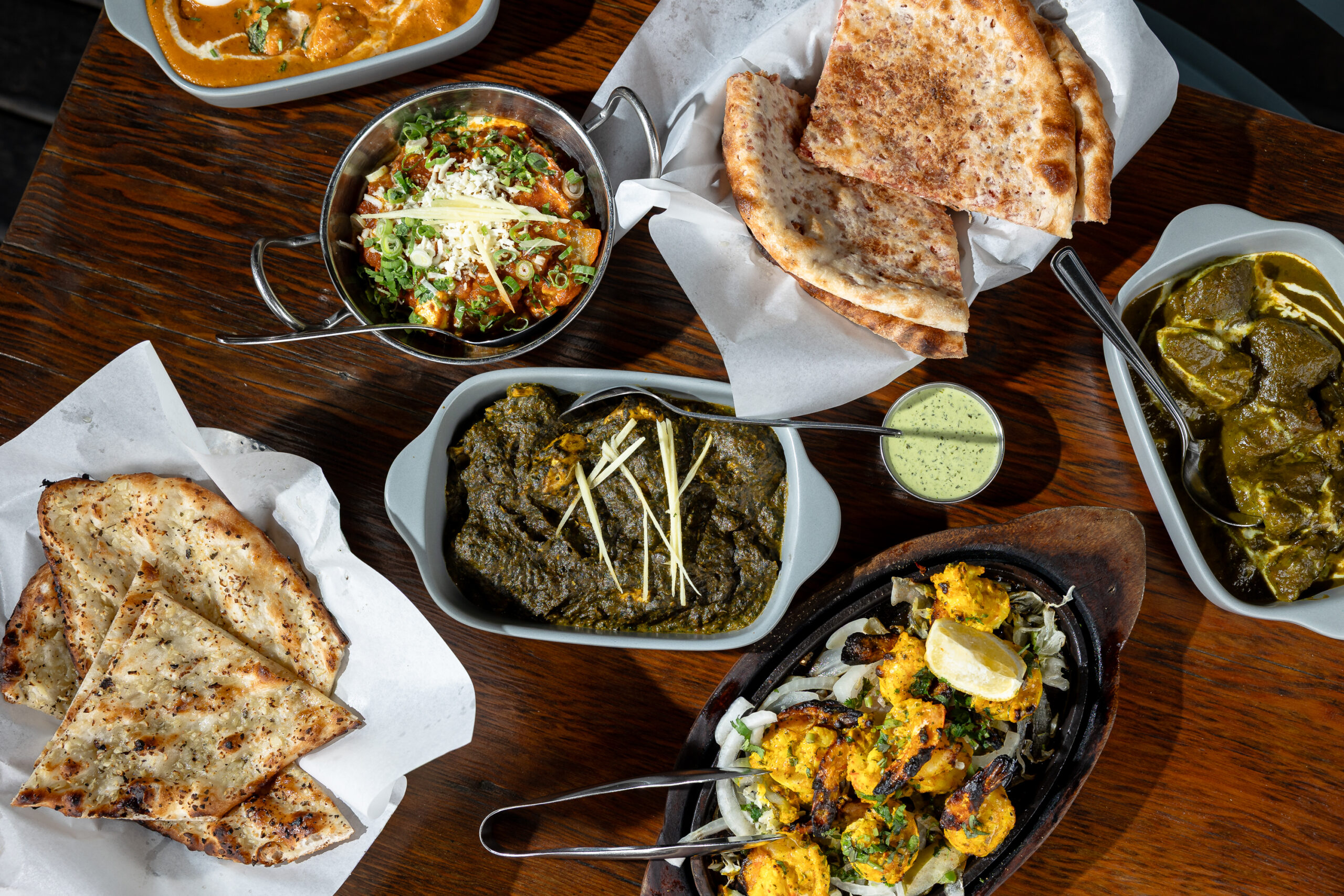
For two people: one shared starter, two curries, one rice, one bread. Pick curries that are different from each other rather than two creamy ones. Order at medium unless you know you want more. That is about $30 to $35 each, and it is a complete meal - you do not need a dish per person, and ordering that way is the commonest first-timer mistake.
Indian catering in Vancouver: what to know before you order
Catering is a different problem from either eating in a restaurant with a large group or ordering delivery for your own table. Nobody's sitting down to a menu - food needs to arrive at a specific place, at a specific time, in a format that holds up on a buffet table or a boardroom counter for a couple of hours, and feeds a number of people who probably have a range of dietary needs the organiser may not fully know in advance. Getting it right mostly comes down to a handful of practical questions that are worth working through before you place the order, not after the food arrives short or late.
How catering is different from a large group booking or delivery
A large group booking at the restaurant means the kitchen is cooking to order for a table that's physically present - dishes come out in a normal service rhythm, and anything that isn't quite right can be adjusted on the spot. Delivery is built around a single household order, arriving once, meant to be eaten shortly after it lands.
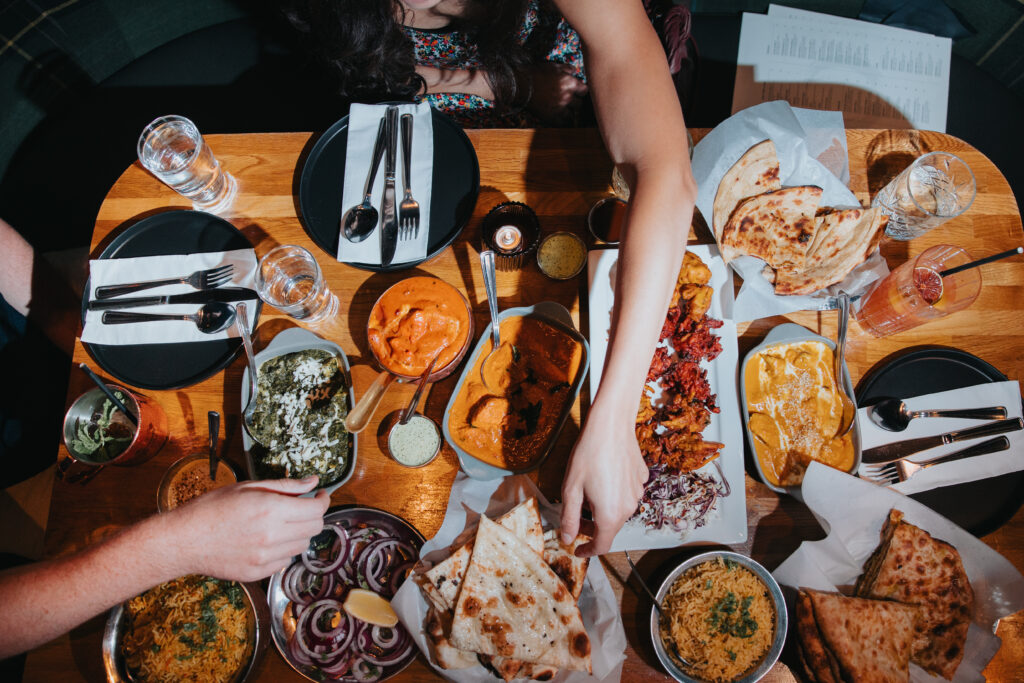
Catering sits apart from both: food is prepared in bulk ahead of a specific drop-off or pickup time, often served buffet-style rather than plated, and needs to survive sitting out for a stretch of time - a lunch meeting that runs long, a reception that doesn't start exactly on schedule - without falling apart the way a dish fresh off the stove would. That changes which dishes make sense, how far ahead you need to order, and what questions are actually worth asking when you book.
Tray sizes and how many people they actually feed
Catering trays are typically sized by number of servings rather than by weight or volume the way a home cook might think about quantities, and the honest answer is that "how many people does this feed" depends heavily on what else is on the order and how the group actually eats - a tray that comfortably serves a stated number as a single dish among several on a buffet serves noticeably fewer if it's the only option on the table.
As a general rule of thumb across most catering menus: a half tray is built for a smaller group as one of several dishes, and a full tray roughly doubles that. If you're ordering a single curry as the only protein option for a group, size up from what the tray's stated serving count suggests - that number usually assumes it's one of three or four dishes on a spread, not the entire meal. [Confirm exact tray sizes, pricing, and per-tray serving counts directly when you book, since these vary by dish and by caterer.]
How far ahead to order, and why
Catering orders generally need more lead time than a same-day delivery order, for reasons that are specific to how catering actually gets prepared: larger batches take longer to cook properly, kitchens need to schedule catering prep around their existing service rather than squeezing it in reactively, and last-minute large orders compete directly with the kitchen's ability to run a normal dinner service on the same day.
[We recommend ordering catering at least X business days ahead for smaller orders, and more for larger events or peak periods like December]. Later in the week and around major holidays, lead times typically need to stretch further, since kitchens are managing a higher volume of catering requests at the same time as their regular service. If your event date is flexible even by a day or two, mentioning that when you book can sometimes make a tighter timeline work that otherwise wouldn't.
What travels well for catering specifically
The dishes that travel well for catering overlap substantially with what travels well for home delivery, covered in more detail in our delivery and pickup guide - but catering adds an extra layer, since the food needs to hold up for a longer window, often sitting in a chafing dish or on a counter rather than being eaten immediately.
Curries, dal, and biryani remain the strongest choices for catering specifically, for the same reasons they travel well for delivery - they're built around a sauce or a moist, layered structure rather than a crisp exterior that degrades with time and heat exposure. These dishes generally hold up well in a chafing dish over an extended service window without losing much of what makes them good.
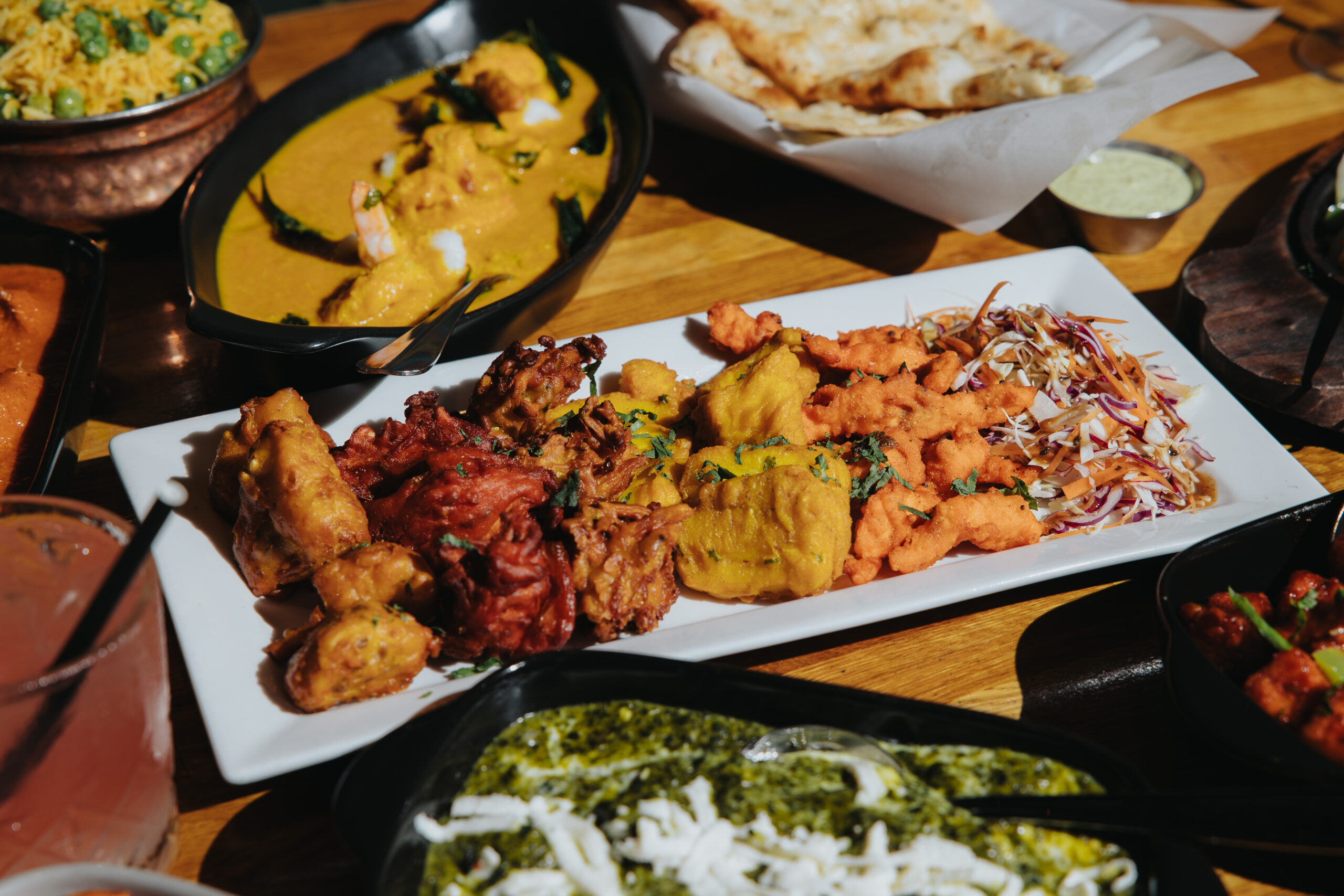
Fried starters are the weakest catering choice, for the same reason they're the weakest delivery choice - they soften considerably once they're no longer fresh out of the fryer, and that effect compounds the longer they sit on a buffet. If starters matter to your event, ask whether they can be delivered closer to serving time rather than at the same time as the mains, since a shorter hold time makes a real difference here.
Dietary needs on a catering order - the same rules, higher stakes
Catering raises the stakes on dietary accommodation compared to a table ordering for itself, because the person placing the order is often ordering on behalf of a group whose specific needs they may not know in full - an office catering order, in particular, often has to account for allergies and preferences the organiser has only partial visibility into.
The practical approach: build the order around a genuine spread - as covered in our guide to vegetarian and vegan Indian food, a spread that includes at least one dish that's vegan by default (a chana masala or a lentil-based dal, rather than something that merely reads as vegetarian) covers more of a mixed group's needs without requiring individual substitutions on the day. Label each dish clearly when it's set out - a small card noting vegetarian, vegan, or gluten-free next to each tray does more for a group with mixed needs than a verbal explanation to whoever happens to be first in line.
If you know in advance that specific dietary needs exist in the group - a coeliac diagnosis, a severe allergy - flag that directly when you place the order rather than assuming the standard spread will cover it, the same way we'd recommend for a large group booking dining in.
Karma's catering setup
We handle catering for offices, private events, and gatherings across Kitsilano and the wider West Side, built around the same scratch-cooked curries, dal, and biryani that make up the core of our regular menu - the dishes best suited to holding up over a catering timeline rather than a separate, catering-only menu built for convenience over quality. [Describe minimum order size, lead time, delivery area, and whether setup/chafing equipment is included here with real figures before publishing.]
For a specific event - headcount, dietary needs, timing - the most reliable way to get an accurate quote and confirm lead time is to reach out directly through our contact page rather than relying on general guidance like this to cover every situation.
Questions about ordering
How far in advance should I book catering?
[Insert real recommended lead time - general guidance: smaller orders typically need a few business days' notice, larger events need more, and December/peak periods need the most lead time of all.]
What Indian dishes work best for a catering spread?
Curries, dal and biryani hold up best over a catering timeline, since they're built around a sauce or a moist structure rather than a crisp texture. Bread and fried starters are the items most affected by sitting out, so they're worth ordering in smaller quantities or timing separately from the mains.