2741 W 4th Ave, Vancouver, BC V6K 1P9
+1 604-559-1666
info@karmaindianbistro.ca
Open daily from 12:00 PM
"Is Indian food healthy" doesn't really have a single answer, because "Indian food" spans everything from a lentil-based dal simmered with vegetables to a deep-fried, cream-soaked dessert — genuinely opposite ends of any reasonable definition of healthy, both sitting on the same menu.
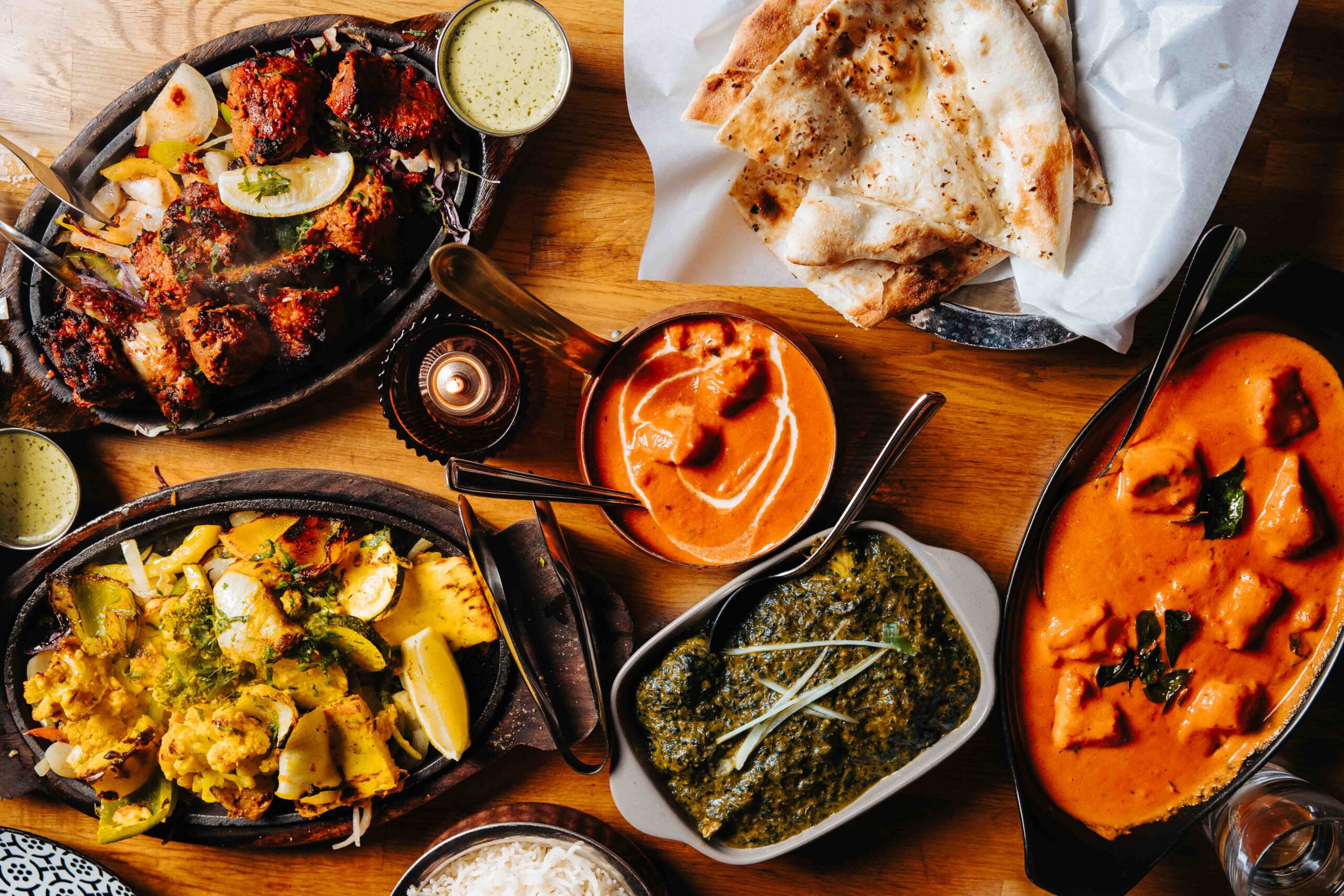
You order for a table, not for a plate. That one shift explains most of the menu.
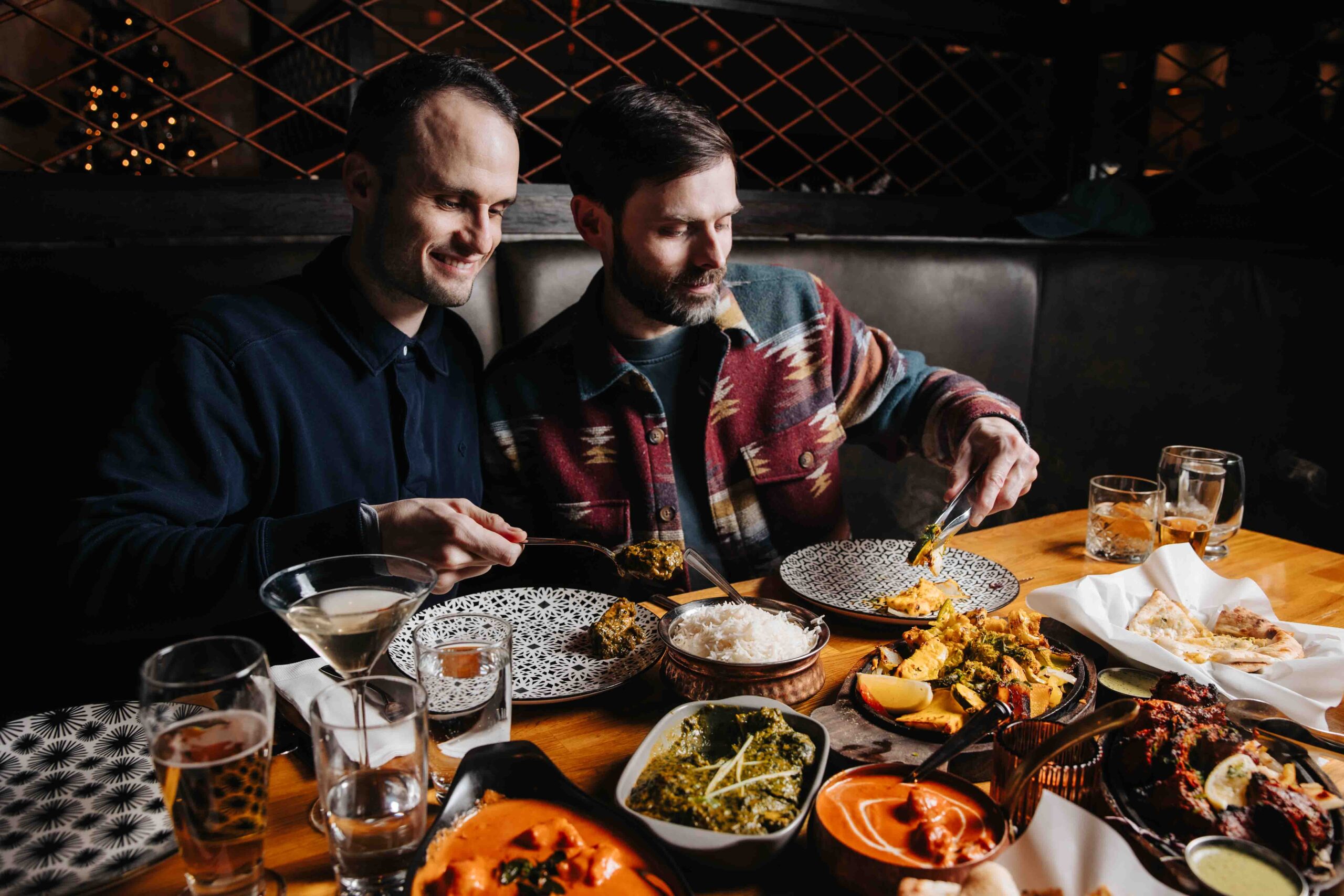
For two people: one shared starter, two curries, one rice, one bread. Pick curries that are different from each other rather than two creamy ones. Order at medium unless you know you want more. That is about $30 to $35 each, and it is a complete meal - you do not need a dish per person, and ordering that way is the commonest first-timer mistake.
"Is Indian food healthy" doesn't really have a single answer, because "Indian food" spans everything from a lentil-based dal simmered with vegetables to a deep-fried, cream-soaked dessert — genuinely opposite ends of any reasonable definition of healthy, both sitting on the same menu. The honest answer isn't yes or no. It's that the cuisine offers some of the lightest, most naturally balanced options of any cuisine you'll find, and also some of the richest, most indulgent ones — and knowing which is which changes what you'd order far more than a blanket verdict on the whole cuisine would.
Indian cuisine, as covered throughout this site, is really several regional cuisines and cooking traditions layered together, built around very different techniques — some centred on grilling and steaming, others on deep frying, others on slow-simmering in cream or ghee. Lumping all of it into one "is it healthy" verdict is a bit like asking whether "Western food" is healthy when the category includes both a grilled chicken salad and a deep-fried, cheese-covered plate of nachos. The honest, useful answer requires actually looking at the dish, not the cuisine as a whole.
A meaningful portion of Indian cuisine is built around cooking methods and ingredients that are genuinely light by most conventional standards.
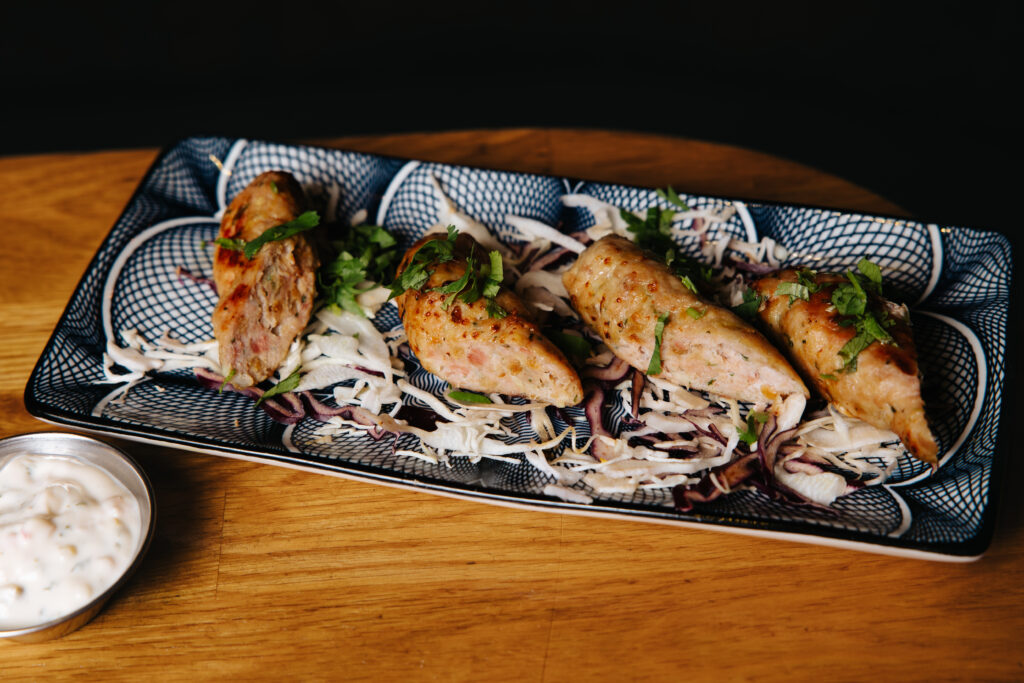
Tandoori dishes — as covered in our guide to the tandoor oven — are cooked on skewers with no added oil, and rendered fat drips away during cooking rather than pooling around the meat, making tandoori chicken and similar dishes some of the leanest options on most Indian menus. The marinade itself is typically yoghurt-based rather than oil-based, adding relatively little in the way of extra fat or calories.
Dal, lentil-based and typically light on dairy unless it's one of the richer, cream-finished versions like dal makhani, is a genuinely nutrient-dense, high-fibre, plant-protein-forward dish that holds up well against most conventional definitions of a healthy meal component.
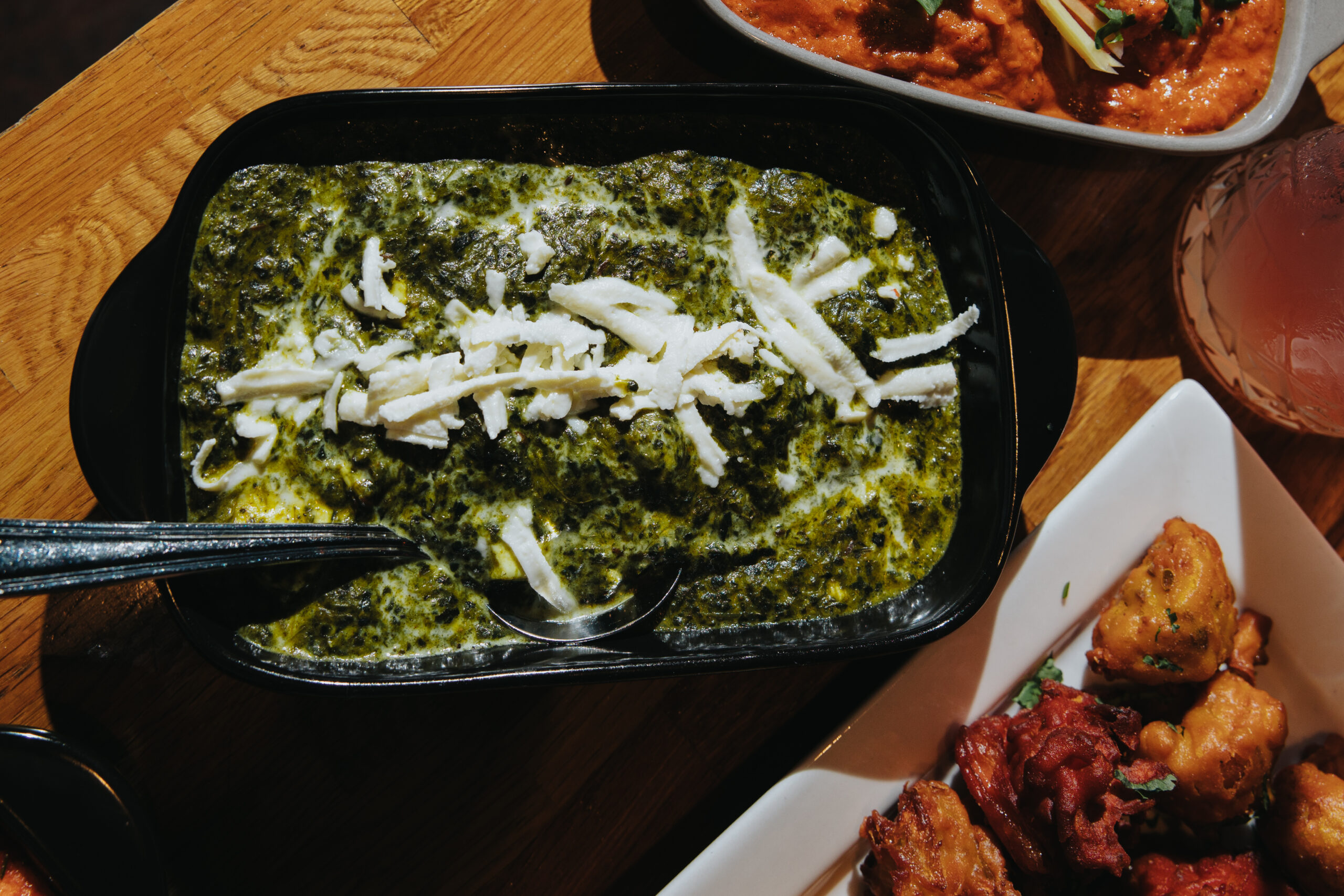
Most vegetable curries, particularly those built on a tomato-onion base rather than a heavy cream base, sit in similar territory — real vegetables, real spice, without the dairy-driven richness that defines the heavier end of the menu.
On the other end, several categories of Indian food are genuinely rich, and it's worth being straightforward about that rather than pretending everything on the menu is equally light.
Cream- and butter-based curries — butter chicken, korma, and similar dishes — lean heavily on dairy fat for their signature richness, which is exactly what makes them taste the way they do, but it also makes them meaningfully more calorie-dense than a tomato- or coconut-based curry.
Ghee, used throughout Indian cooking as a primary fat, adds real calories wherever it's used, even in dishes that otherwise read as light — a dal or vegetable dish cooked generously in ghee is a different calorie proposition than the same dish cooked in a smaller amount of neutral oil.Fried starters — as covered in our guide to Indian starters — samosa, pakora, and bhaji are, by construction, fried in oil, and that's simply part of what they are rather than something to apologise for. They're a genuinely indulgent category, the same way any fried appetizer in any cuisine is.Naan, particularly butter naan or cheese naan, adds meaningful calories on top of an already rich meal, both from the refined flour and from the butter or filling worked into the dough.
None of this makes these dishes bad choices — they're simply the richer end of a genuinely wide spectrum, and worth ordering with that understanding rather than assuming everything on an Indian menu carries the same nutritional weight.
One of the more overlooked factors in how a meal actually adds up isn't which dishes you order, but how much rice and bread comes alongside them. A rich curry eaten with a modest portion of rice is a genuinely different meal, calorically, than the same curry eaten with two or three pieces of buttered naan and a large portion of rice — the curry itself is often not the biggest variable in the total meal.This is worth knowing specifically because bread and rice can feel like a neutral, "free" addition to a meal in a way that a second curry or a dessert clearly doesn't, even though they're doing real caloric work, particularly with a richer naan.
The practical version of all this: a genuinely balanced Indian meal is entirely achievable without avoiding the cuisine's richer dishes altogether, simply by building a table with some intention. As covered in our guide to what to order, a table that includes a tandoori dish, a lighter vegetable or dal curry, and one richer dish — rather than three rich, cream-based curries side by side — naturally balances itself without requiring anyone to skip the dishes they actually want.
Leaning toward roti over naan, keeping rice and bread portions moderate rather than doubling up on both, and treating fried starters and dessert as genuine occasional indulgences rather than automatic additions to every meal are the practical levers that actually move the needle, far more than avoiding specific dishes entirely.
"Healthy" is doing a lot of work in a question like this, and it means something different depending on what someone's actually asking — calorie content, dietary restrictions, nutrient density, or something else entirely. This guide has focused on the calorie and richness angle specifically, since that's the most common version of the question. For dietary-specific concerns — whether a dish is vegan, gluten-free, or fits a particular restriction — our guide to vegetarian and vegan Indian food and our gluten-free guide go into those specifically, since "healthy" and "fits my dietary needs" are genuinely different questions with different answers.
What are the healthiest dishes on an Indian menu?
Tandoori dishes (cooked on skewers with no added oil), dal, and most tomato- or vegetable-based curries tend to be the lighter options, compared to cream-based curries, fried starters, and buttered breads.
Is curry fattening?
It depends entirely on the type. Cream- and butter-based curries like korma or butter chicken are genuinely rich and calorie-dense. Tomato-, coconut-, or lentil-based curries are considerably lighter, so the answer varies significantly by dish rather than applying to curry as a whole.