2741 W 4th Ave, Vancouver, BC V6K 1P9
+1 604-559-1666
info@karmaindianbistro.ca
Open daily from 12:00 PM
Most people ordering Indian food have a rough, half-formed sense of what these names mean - vindaloo is the hot one, korma is the safe one - without actually knowing why. That's a reasonable position to be in, because menus rarely explain themselves, and asking a server to talk you through eight curry names before you've even picked a protein is more commitment than most people want to make on a Tuesday night. Here's the actual explanation: what these names describe, why they don't map cleanly onto a heat scale, and where each one actually sits.
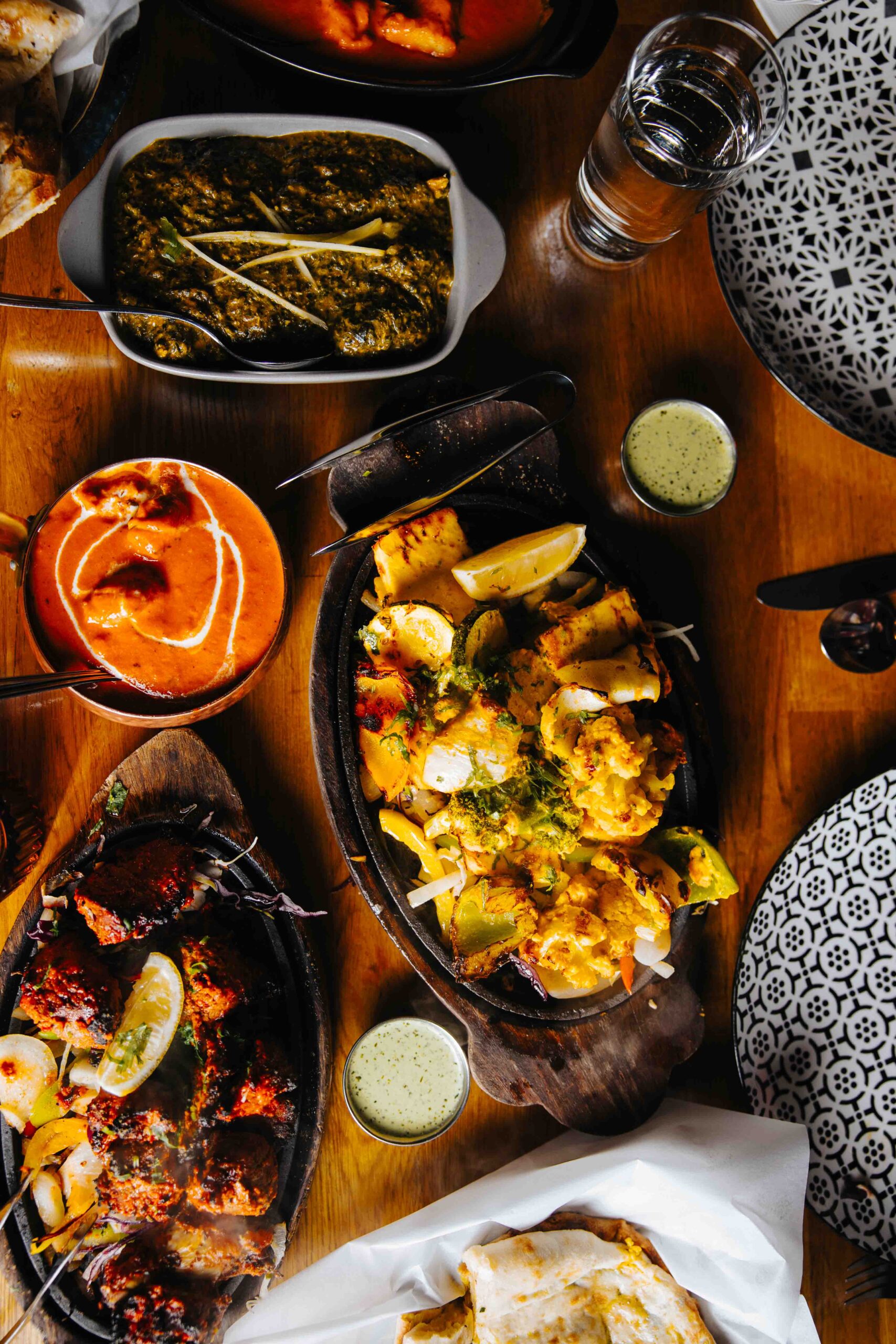
The word "curry" itself is a colonial-era catch-all, believed to derive from a Tamil word for a spiced sauce or relish, that got applied broadly by British colonists to an enormous range of distinct regional dishes that don't share a single tradition, technique, or flavour profile.
The word "curry" itself is a colonial-era catch-all, believed to derive from a Tamil word for a spiced sauce or relish, that got applied broadly by British colonists to an enormous range of distinct regional dishes that don't share a single tradition, technique, or flavour profile. Treating "curry" as one category is a bit like treating "European food" as one dish - technically the words point somewhere real, but they flatten an enormous amount of regional variation into a single, misleadingly simple label.
This matters for menu-reading because the actual dish names - korma, madras, vindaloo, and the rest - are far more specific and far more informative than the umbrella word "curry" suggests. Each one describes either a particular cooking method, a particular region or city of origin, or both. None of them describe a heat level directly, even though diners often use them that way. Understanding what each name is actually pointing to is the difference between guessing at a menu and reading it properly.
A first group of curry names describes how the dish is cooked, not where it comes from.
Korma refers to a method of braising meat or vegetables slowly in a rich, often yoghurt- or cream-based sauce, typically finished with ground nuts (cashew is common) for body and a mild, aromatic character. The technique itself is what makes korma consistently one of the gentler options on a menu - it's built around dairy and nuts rather than chilli, so the flavour leans warm and rounded rather than sharp or hot.
Kadai (also spelled karahi) is named for the cooking vessel itself - a thick, wok-like pan traditionally used to cook the dish over high heat, which produces a slightly drier, more concentrated sauce than a slow-braised curry, often built around bell peppers, onion, and a robust blend of whole spices.
Bhuna describes a technique of cooking spices and a small amount of liquid down over relatively high heat until the sauce thickens and intensifies, concentrating the flavour into a drier, richer result rather than a thin, brothy one. A bhuna is typically medium in heat, with the emphasis on depth of spice flavour rather than chilli intensity specifically.
Dopiaza literally translates to something like "two onions," referring to a dish that uses onion twice in its preparation - once cooked down into the base of the sauce, and again added later in larger pieces for texture and a sweeter, more pronounced onion presence throughout the dish.
None of these four names tell you anything reliable about chilli heat on their own - they tell you about technique, texture, and how the sauce was built, which is a genuinely different piece of information than how hot the dish will taste.
A second group of names refers to a region, city, or specific culinary tradition rather than a cooking method.
Madras refers to the city now officially known as Chennai, in South India, and describes a style of curry associated (loosely, and largely as a British-Indian restaurant convention rather than a strict regional dish) with that part of the country - typically a tomato-based sauce with a noticeable, assertive chilli heat, though the specific heat level varies significantly by kitchen.
Kashmiri points to Kashmir, in the north, and dishes labelled this way often use Kashmiri chillies specifically - prized for the deep red colour they lend a sauce without necessarily bringing intense heat, since Kashmiri chillies are actually milder than their vivid colour would suggest.
Goan refers to Goa, on India's west coast, a region with a distinct culinary identity shaped by centuries of Portuguese colonial presence - Goan curries often feature coconut, vinegar, and a tangier, more acidic profile than curries from other regions, a direct result of that Portuguese influence.
Hyderabadi points to Hyderabad, in South-Central India, associated with rich, complex, often slow-cooked dishes and a distinctive use of whole spices, with biryani being the most famous dish carrying this regional name.
These place names are doing real geographic work, even when - as with madras - the dish served under that name in a restaurant abroad is more a British-Indian restaurant convention than a dish you'd find under that exact name in the city itself. The name still tells you something real about the flavour tradition it's drawing from, even if the specific recipe has evolved a long way from its origin.
Vindaloo deserves its own section because it's the clearest example of a name that's genuinely misunderstood by most diners, who tend to treat it as shorthand for "the hottest thing on the menu" without knowing where the word actually comes from.
Vindaloo traces back to a Portuguese dish, "carne de vinha d'alhos" - meat marinated in wine vinegar and garlic - brought to Goa during the Portuguese colonial period and gradually adapted with local spices, chillies, and technique over generations into something distinctly its own. The name itself is a corruption of that Portuguese phrase: "vinha" (wine) and "alhos" (garlic) collapsing into "vindaloo" over time. The vinegar is the part most modern versions retain most faithfully - a good vindaloo should have a real tang and acidity running through it, not just heat, and a version that's all chilli with no vinegar sharpness has drifted quite far from where the dish actually started.
Modern restaurant vindaloo has, in most of the diaspora, become associated almost entirely with maximum heat - partly because the dish's genuine chilli content is real and significant, and partly because it's been used for decades as the go-to "hottest curry on the menu" marker in British-Indian restaurant culture specifically, which then spread to other English-speaking markets. That reputation isn't unearned, but it's also not the whole story - the vinegar-forward tang is just as much a defining feature of a properly made vindaloo as the heat is.
With those two naming systems in mind, here's a rough heat ordering from mild to hot, based on how these dishes are typically prepared:
1. Korma - mildest, built on dairy and nuts rather than chilli
2. Kashmiri-style dishes - colourful but not especially hot, despite appearances
3. Bhuna, dopiaza - medium, spice-forward rather than chilli-forward
4. Kadai - medium, can run hotter depending on the kitchen
5. Madras - a noticeable step up, generally the first dish on most menus that reads as genuinely spicy
6. Vindaloo - typically the hottest standard menu item, combining real chilli heat with vinegar tang
The important caveat: this order is a reasonable starting point, not a fixed scale, because there's no industry standard governing how much chilli any kitchen puts in a "madras" or a "vindaloo." One restaurant's madras can be genuinely milder than another restaurant's kadai. The name tells you the dish's tradition and method - it doesn't guarantee a specific point on a heat scale, which is exactly why it's worth asking a server directly if heat matters to you, rather than relying on the name alone. We've written a full breakdown of how spice levels actually work and how to read them on a menu in our guide to Indian food heat levels.
Madras carries a specific weight on our menu, because it's the dish that drew attention from a Michelin inspector - the full story of what happened and why it stood out is covered on our dedicated page about the chicken madras. In short, it's built to deliver real, assertive heat without losing the balance and depth that separates a well-made madras from one that's just spicy for the sake of it - tomato, chilli, and a specific spice blend working together rather than chilli simply overwhelming everything else on the plate.
If you're working out where to start on the menu, the naming conventions above should get you most of the way there - but the full list, with everything from korma through vindaloo, is on our food menu, and any question about a specific dish's heat is always worth asking our team directly before you order.
Is madras hotter than vindaloo?
Usually not. Vindaloo is generally the hotter of the two, though heat varies enormously between kitchens - the name describes the dish's origin and method, not a fixed heat level.
What is the mildest Indian curry?
Korma is normally the mildest: yoghurt, cream and ground nuts, with aromatic spices rather than chilli heat.